
|
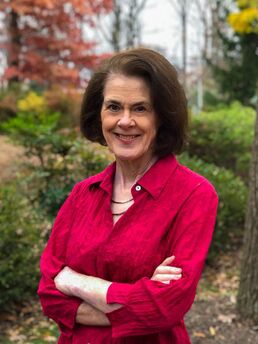
Joan H. Schiller, MD
Chair, Steering Committee |
|
Dr. Joan H. Schiller is a widely published medical oncologist who is internationally recognized for her work in lung cancer clinical research. She is also passionate about climate change and its impact on health. She is the Co-Founder and Chair of the Steering Committee of Oncologists United for Climate and Health (OUCH-I), a non-profit organization whose goal is to educate cancer health professionals and organizations about the impact climate change has on cancer care, and to advance awareness, actions, and policies that mitigate these effects.
Dr. Schiller has published numerous articles, editorials, and opinion pieces on the effects of climate change on health in such journals as JAMA Oncology; JCO Oncology Practice; Cancer Letter, IASLC Lung Cancer News, and Journal of Thoracic Oncology. She has given multiple talks and webinars on the effects of climate change on health, including for the European Society of Medical Oncology; American Thoracic Society, Northwestern Memorial Hospital, University of Wisconsin, Houston Methodist Hospital, and the Canadian Global Oncology Workshop, among others.
Before serving as the Deputy Director of Clinical Investigation for the Inova Schar Cancer Institute in Fairfax, Virginia, and Chief of Hematology/Oncology, she was the division chief of Hematology/Oncology at the University of Texas-Southwestern Medical Center and Deputy Director of the Simmons Comprehensive Cancer Center in Dallas, where she held the Andrea L. Simmons Distinguished Chair in Cancer Research.
Dr. Schiller’s research has generated well over 200 publications that she has authored or co-authored, including articles, abstracts, book chapters, books, reviews and invited manuscripts.
Dr. Schiller is also the founder and President of Free to Breathe, a national advocacy organization aimed at raising awareness and funding for lung cancer, which has recently merged with Lung Cancer Research Foundation.
|
Eric Bernicker, MD
Vice-Chair, Steering Committee |

|
Eric Bernicker is a thoracic medical oncologist who currently serves as the Enterprise Medical Director, Medical Oncology for the Mountain region of CommonSpirit Health. Prior to that he was the director of Thoracic Medical oncology at Houston Methodist Hospital. He has a long-standing interest in the intersection of cancer medicine and public health; he has edited two text books for Springer on “ Cancer and Society” and most recently “Environmental Oncology: Theory and Impact”. Dr Bernicker was the chair of the American Society of Clinical Oncology’s Climate Change Task force that published ASCO’s policy paper on Climate Change and Cancer Care.
|
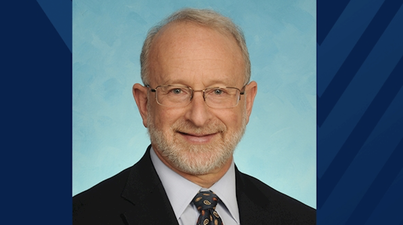
Richard M Goldberg MD Treasurer |
|
Richard M Goldberg is the emeritus Director of the West Virginia University Cancer Institute’s (WVUCI) and remains and Adjunct Professor ant WVU. Considered an international leader in gastrointestinal cancer treatment and research as well as in leadership of cancer programs in academic medicine, Dr. Goldberg has been principal investigator, co-PI, co-investigator, and mentor on multiple research and training grants funded through the National Cancer Institute (NCI). He has published more than 400 papers in peer-reviewed journals. His clinical interests are in management of patients with malignancies originating in the gastrointestinal tract, particularly colorectal cancers.
He is a graduate of Harvard University, earning an undergraduate degree cum laude in biology in 1975 and received his medical degree from the State University of New York Upstate Medical University in 1979 where he was elected to the Alpha Omega Alpha honor medical society.
Prior to his arrival at WVU in 2017, he served as physician in chief of the James Cancer Hospital at The Ohio State University (OSU) and, prior to that of the North Carolina Cancer Hospital, at the University of North Carolina in Chapel Hill (UNC). He was an Associate Director at both the OSU and the UNC Comprehensive Cancer Centers and the Division Chief of Hematology and Oncology at UNC and Acting Division Director of Medical Oncology at OSU. Prior to that he was a consultant at the Mayo Clinic in Rochester and Associate Chair of the Department of Medicine at the Geisinger Clinic in Danville, PA.
Dr. Goldberg serves on several national scientific advisory committees and on the scientific advisory committee for a number of pharmaceutical companies at the corporate level. He is a Fellow in the American College of Physicians and the American Society of Clinical Oncology. He is married to Lynda Goldberg MBA, MPH and has two adult children. He and Lynda have been active in the Democratic Party as voters, volunteers, and donors for decades.
He is a graduate of Harvard University, earning an undergraduate degree cum laude in biology in 1975 and received his medical degree from the State University of New York Upstate Medical University in 1979 where he was elected to the Alpha Omega Alpha honor medical society.
Prior to his arrival at WVU in 2017, he served as physician in chief of the James Cancer Hospital at The Ohio State University (OSU) and, prior to that of the North Carolina Cancer Hospital, at the University of North Carolina in Chapel Hill (UNC). He was an Associate Director at both the OSU and the UNC Comprehensive Cancer Centers and the Division Chief of Hematology and Oncology at UNC and Acting Division Director of Medical Oncology at OSU. Prior to that he was a consultant at the Mayo Clinic in Rochester and Associate Chair of the Department of Medicine at the Geisinger Clinic in Danville, PA.
Dr. Goldberg serves on several national scientific advisory committees and on the scientific advisory committee for a number of pharmaceutical companies at the corporate level. He is a Fellow in the American College of Physicians and the American Society of Clinical Oncology. He is married to Lynda Goldberg MBA, MPH and has two adult children. He and Lynda have been active in the Democratic Party as voters, volunteers, and donors for decades.
|
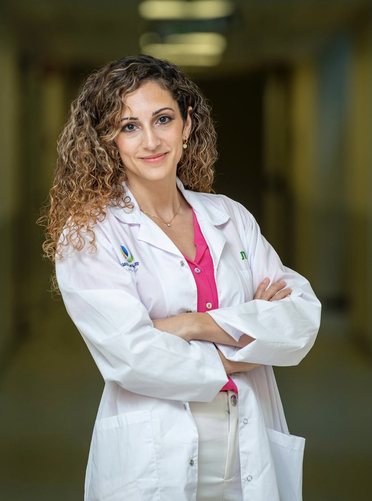
Ilit Turgeman, MD
Secretary, Steering Committee |
|
Dr. Ilit Turgeman is a medical oncologist, specializing in lung and other thoracic cancers. She graduated from Hebrew University Medical School in Israel in 2015, completed her medical oncology residency in Rambam Health Care Campus, and then undertook a fellowship in clinical trials at Sarah Cannon Research Institute in the United Kingdom.
In her current position, Dr. Turgeman leads the Thoracic Oncology Division in Emek Medical Center and is the Founder and Director of the Young Onset Cancer Service. She is involved in the development of a new comprehensive cancer center, including the establishment of a clinical trials platform and satellite clinics in peripheral regions of the country.
As a principal investigator in numerous industry and investigator- initiated trials, her passion and research interests lie in oncogene-driven lung cancer, impact of air pollution on cancer, and care equity. She has given talks and published her research in peer-reviewed journals as articles, abstracts, reviews and invited manuscripts.
Dr. Turgeman was a selected participant in the 2022 International Association for the Study of Lung Cancer (IASLC) Academy and is an active member of international cancer associations.
She is married to Shahar Turgeman, DMD, oral and maxillofacial surgeon, and mother to three children.
In her current position, Dr. Turgeman leads the Thoracic Oncology Division in Emek Medical Center and is the Founder and Director of the Young Onset Cancer Service. She is involved in the development of a new comprehensive cancer center, including the establishment of a clinical trials platform and satellite clinics in peripheral regions of the country.
As a principal investigator in numerous industry and investigator- initiated trials, her passion and research interests lie in oncogene-driven lung cancer, impact of air pollution on cancer, and care equity. She has given talks and published her research in peer-reviewed journals as articles, abstracts, reviews and invited manuscripts.
Dr. Turgeman was a selected participant in the 2022 International Association for the Study of Lung Cancer (IASLC) Academy and is an active member of international cancer associations.
She is married to Shahar Turgeman, DMD, oral and maxillofacial surgeon, and mother to three children.
|
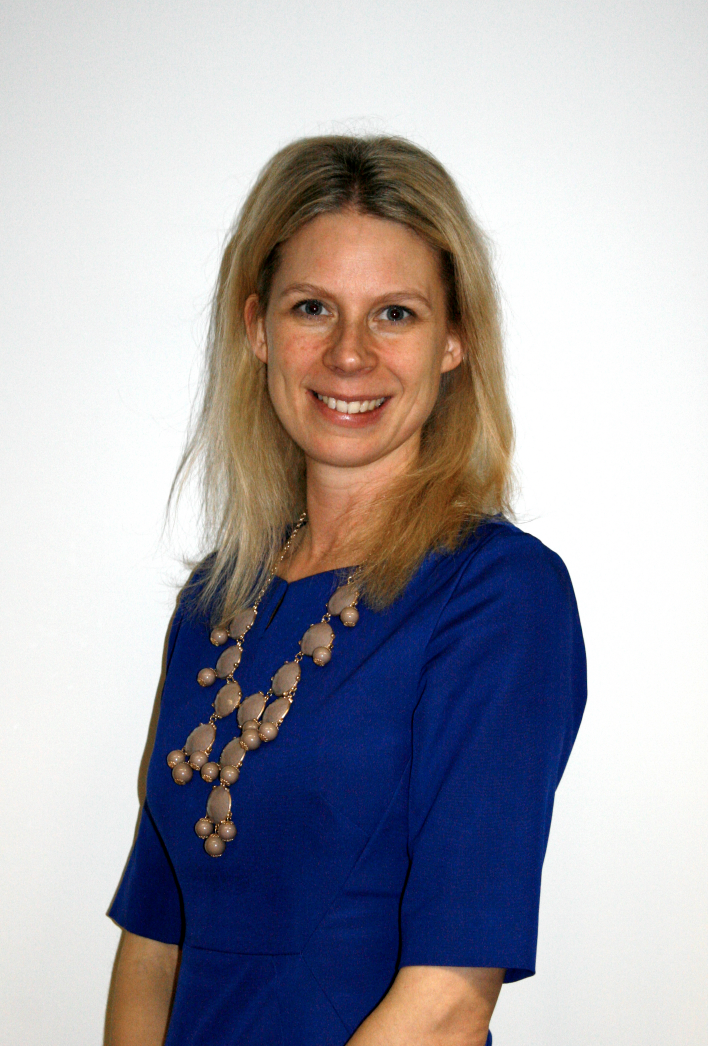
Dr Susannah Stanway MBChB MSc FRCP MD Steering Committee Global Interactions |
|
Dr Susannah Stanway is a consultant medical oncologist in London, specializing in breast cancer. She founded and chaired the steering group of the “Cancer control in low- and middle- income countries” conference held annually since November 2016 that in 2019 became London Global Cancer Week. She has co-founded the UK and Ireland Global Cancer Network. She teaches in the UK on global oncology (for example on the Institute of Cancer Research MSc Course, UCL Global Health MSc and London School of Hygiene and Tropical Medicine on the Diploma of Tropical Medicine and Hygiene Course) and internationally. She has received three awards from the Global Challenges Research Fund to collaboratively contribute to research projects in sub-Saharan Africa. She sits on the ECO inequalities network and has historically been on the ESMO global policy committee. She is currently working with colleagues in several conflict affected low-and middle- income countries and countries to contribute to capacity building. She has recently studied Public Policy Analysis at the London School of Economics. Alongside reducing between-country cancer outcome inequalities she has interest in reducing within-country inequalities in the UK for example sitting on Breast Cancer Now Inequalities Funding Committee, contributing to the recently published Health Policy Partnership toolkit (Inclusion by design: building equity in clinical trials through the lens of metastatic breast cancer) and advocating. She sits on the Development Board of Breast Cancer Now.
Dr Susannah Stanway MBChB MSc FRCP MD